When sourcing custom metal parts, one of the most frequent questions we hear from engineers and purchasers is: “Is my design suitable for zinc alloy die casting?”
Zinc alloy die casting is a versatile and cost-effective manufacturing process, but its advantages are best realized when the part aligns with the method’s strengths. Below, we break down key considerations to help you determine whether zinc alloy die casting is the right choice for your component.
Why Consider Zinc Alloy Die Casting?
Zinc alloys (particularly Zamak 3 & 5) offer:
-
Excellent dimensional stability and tight tolerances
-
High strength and hardness compared to many aluminum alloys
-
Superior thin-wall capabilities (as thin as 0.5 mm)
-
Smooth as-cast surface finishes, reducing secondary polishing
-
Excellent corrosion resistance and plating/adhesion properties
-
Lower melting temperature, which translates to longer die life and lower energy costs compared to aluminum or magnesium
Parts Best Suited for Zinc Die Casting
1. Complex, Thin-Wall Geometries
Zinc’s fluidity allows for intricate details, sharp corners, and thin sections that might be challenging with other alloys. Ideal for grilles, brackets, housings with ribs, and fine decorative elements.
2. Components Requiring High Precision
If your part demands minimal machining after casting, zinc’s low shrinkage and consistent cooling behavior help maintain tight tolerances (±0.075 mm per 25 mm is achievable).
3. Parts with Internal Threads or Inserts
Zinc alloys can cast clean internal threads, reducing tapping operations. Molded-in inserts are also well accommodated.
4. Aesthetic or Plated Components
For parts that will be painted, plated (chrome, nickel, etc.), or powder-coated, zinc provides a dense, smooth base that enhances finish quality.
5. Strength-to-Weight Consideration
While zinc is denser than aluminum, its higher strength often allows for thinner walls, potentially reducing weight and material use compared to other metals.
Design Factors to Evaluate
Wall Thickness Uniformity
Avoid drastic variations in wall thickness to prevent sinks, warpage, or porosity. Gradual transitions are key.
Draft Angles
Include at least 1°–2° of draft on cores and walls to facilitate ejection and extend tool life.
Undercuts
If undercuts are necessary, consider if slide mechanisms in the die are feasible, or if the design can be modified to avoid them.
Post-Casting Operations
Will the part require extensive machining? Zinc alloys machine easily, but minimizing secondary operations reduces cost.
When to Consider Alternatives
Zinc alloy die casting may not be optimal if:
-
The part is very large (projected area > 1000 cm² may require very large tonnage machines)
-
Maximum weight reduction is critical (consider aluminum or magnesium)
-
The operating environment involves sustained high temperatures (>120°C)
-
Budget constraints favor very high volumes where aluminum’s lower material cost outweighs zinc’s faster cycling
Partnering with the Right Supplier
Choosing an experienced die caster is crucial. A good partner will:
-
Review your design for manufacturability and suggest optimizations
-
Select the appropriate zinc alloy for your mechanical and environmental requirements
-
Utilize precision tooling and controlled process parameters
-
Provide sample castings for validation before full production
At STICK INDUSTRY, we specialize in high-quality zinc alloy die casting for a wide range of industries—from automotive and electronics to hardware and consumer goods. Our engineering team works closely with clients to ensure every part is optimized for performance, aesthetics, and cost-effectiveness.
Have a part in mind? Send us your drawings or specifications Contact - STK
We’ll provide a detailed manufacturability analysis and quote, helping you make an informed sourcing decision.
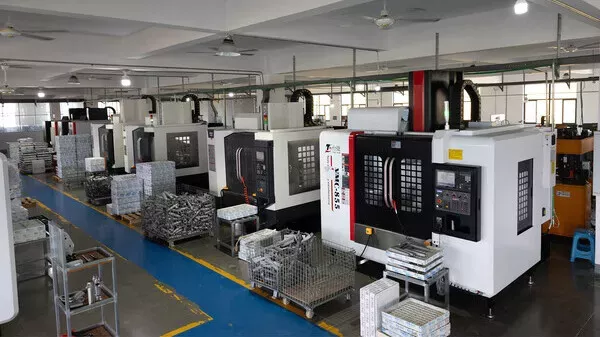
Zinc die casting manufacture, Zinc alloy die casting parts manufactures