In the competitive world of sanitary ware (faucets, shower heads, valves) and lock hardware (door handles, mortise locks, padlocks), the quality of the metal components dictates the reputation of your brand.
If you are a procurement officer, engineer, or business owner sourcing these parts, you know that not all suppliers are created equal. Sourcing the right partner—specifically one specializing in zinc alloy die casting parts manufacturers—is critical to ensuring durability, precision, and surface finish.
This guide is designed to help buyers navigate the market and partner with reliable zinc die casting factories that can deliver consistent quality.
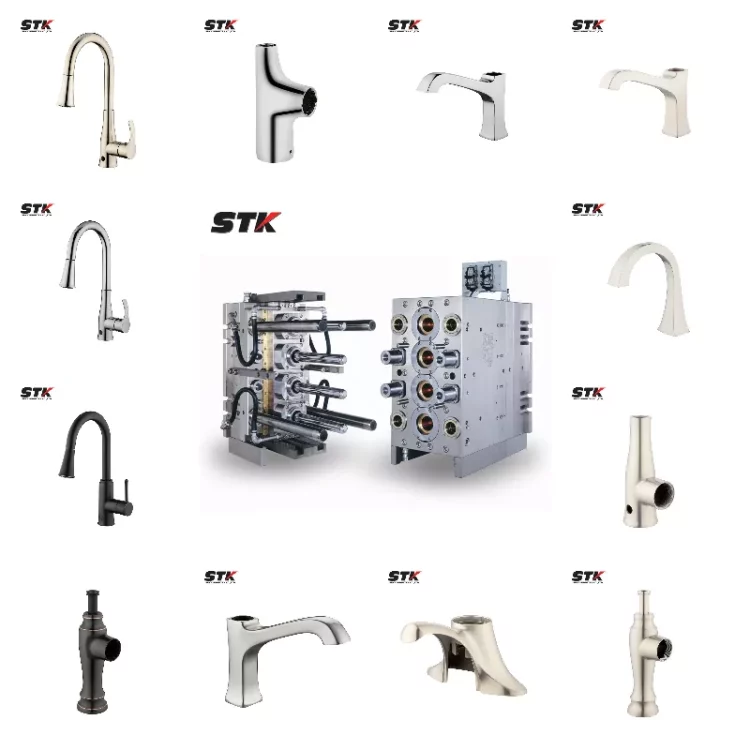
Why Zinc Alloy Metal is the Preferred Choice
Before diving into the selection process, it is important to understand why zinc alloy metal dominates the sanitary and lockset industries. Unlike other materials, zinc alloys (typically Zamak 3, 5, or 7) offer a unique combination of fluidity, strength, and affordability.
Thin Walls & Complexity: Zinc alloys flow easily into complex molds, which is essential for intricate lock designs and sleek faucet handles.
Dimensional Stability: Zinc die cast parts hold tight tolerances, ensuring that lock mechanisms align perfectly and faucets seal without leaks.
Plating Excellence: The surface of zinc die cast material accepts chrome, nickel, and PVD finishes exceptionally well, which is non-negotiable for high-end sanitary ware.
6 Steps to Identify a Reliable Zinc Die Casting Partner
Finding a supplier that offers more than just a quote requires digging deeper. Here is a checklist for sourcing zinc die casting components for your next project.
1. Verify Technical Expertise in Sanitary & Lock Applications
A general metal stamper cannot simply switch to zinc die cast assemblies. You need a partner with a proven track record in your niche.
Look for: Case studies or product galleries showing zinc die casting applications similar to yours, such as faucet bodies, lock housings, or escutcheons.
Ask: Do they understand water-tightness requirements for sanitary ware? Do they know the torque specifications for lock latches?
2. Assess In-House Tooling & Mold Maintenance
The quality of your zinc die cast parts starts with the mold. Suppliers who outsource mold making often suffer from delays and quality control issues.
The Ideal Partner: A full-service zinc die cast company should have in-house mold design (CAD/CAM) and maintenance facilities. This ensures that when a cavity wears out, it is replaced immediately to maintain tolerance.
3. Scrutinize Secondary Operations & Finishing
Raw casting is only half the battle. The value of a zinc die casting suppliers network lies in their ability to handle post-casting processes.
Machining: Can they perform CNC drilling for handle bores or thread tapping for valve inlets?
Polishing: Sanitary ware requires a flawless surface before plating. Does the factory have a dedicated robotic or manual polishing line?
Assembly: If you need zinc die cast assemblies (e.g., a handle combined with a ceramic cartridge), can they source and assemble the components in-house?
4. Demand Material Certification
Counterfeit or substandard alloy leads to brittle parts and plating failure.
The Standard: Ensure the zinc die cast material used is certified Zamak 3 or 5. Reputable zinc die casting factories will provide Mill Certificates verifying the chemical composition (Aluminum, Magnesium, Copper content) to prevent defects like “zinc pest” (intergranular corrosion).
5. Evaluate Quality Control Systems
For high-volume orders of zinc die casting components, consistency is king.
SPC (Statistical Process Control): Does the manufacturer monitor the process in real-time?
X-Ray Inspection: For pressure-tight sanitary components, X-ray inspection ensures there are no hidden porosity issues inside the casting that could cause leaks.
CMM Measurement: Coordinate Measuring Machines guarantee that every batch of zinc die cast parts meets the dimensional specifications of the 3D model.
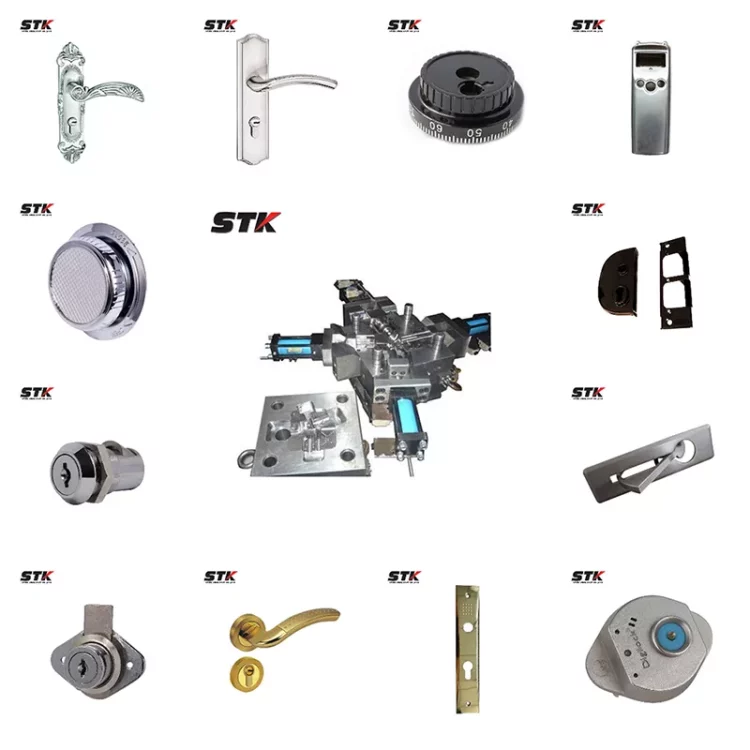
6. Consider Geographic Location & Logistics
While cost is a factor, proximity affects lead times and communication. Many Western buyers prefer to work with Asian manufacturers (like those in China) who have established export procedures.
Logistics: Look for zinc die casting suppliers with experience in international shipping, customs clearance, and who maintain buffer stock to handle urgent orders.
The Future of Zinc Die Casting in Hardware
As the market moves toward “smart locks” and “touchless faucets,” the complexity of zinc die cast assemblies is increasing. Modern hardware now requires casting to incorporate electronic sensor housing or RFID compartments.
This shift makes it even more vital to work with zinc die casting factories that are agile and understand modern design-for-manufacturing (DFM) principles. The right supplier doesn’t just make parts; they help you engineer a better product.
Conclusion
Finding a high-quality manufacturer for your sanitary ware and lock components is a strategic decision. By focusing on technical expertise, in-house capabilities, and rigorous quality standards, you can move beyond being just a buyer to forming a true partnership.
If you are currently sourcing zinc die casting components and looking for a partner who combines decades of experience with modern automation, consider reaching out to a specialized zinc die cast company that prioritizes engineering support as much as production volume.
Ready to discuss your next project? Contact us STK INDUSTRY today to speak with our engineering team about your specific zinc alloy metal requirements.