Why Custom Zinc Die Casting Matters for Your Supply Chain
If you’re sourcing precision metal parts for sanitary fittings, lock hardware, or industrial applications, you’ve probably come across zinc die casting as a common manufacturing option. But when you move beyond a standard off-the-shelf component and need a fully customized zinc die casting solution, you have to follow a structured process—one that affects your part quality, your tooling investment, and your supply chain efficiency over the long run.
Custom zinc die casting is a manufacturing method that produces metal components based on specific design requirements. It uses hardened steel molds (dies), where molten zinc alloy is injected under high pressure. Unlike standard catalog parts, custom die casting means the entire workflow—from mold design to post-processing—is built around your application. The result is components with tight tolerances, a smooth surface finish, and dependable repeatability, even during high-volume production.
At XIAMEN STICK INDUSTRY Co., Ltd., we’ve spent more than 20 years helping global brands such as TOTO, Kohler, Master, and FAB turn custom zinc die cast components into mass-produced realities—from concept through production. With two manufacturing facilities in Xiamen, China, and Hanoi, Vietnam, ISO 9001 certification, and CE compliance, we combine technical expertise with real production scale. This guide walks you through the full custom zinc die casting process—from the first design evaluation to final delivery—so your procurement team can run projects with clarity and confidence.
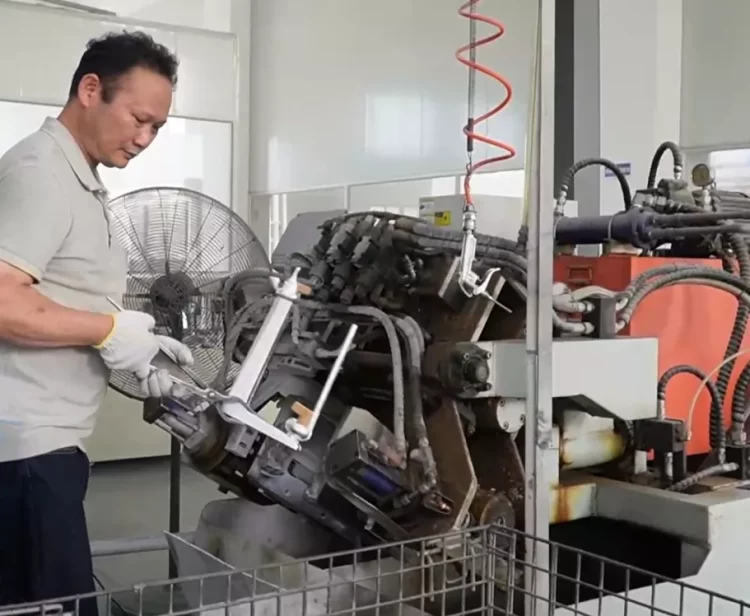
Part 1: Understanding the Full Custom Zinc Die Casting Process
Custom zinc die casting isn’t a single step. It’s a coordinated series of engineering, tooling, production, and finishing activities. When procurement managers understand how the process flows, they can set more realistic timelines, anticipate costs, and clearly see where value is created at each stage.
Phase 1: Design Evaluation and DFM Analysis
The custom process starts long before any metal is melted. Once you submit a 3D model or 2D drawing of your component, the manufacturer’s engineering team performs a Design for Manufacturability (DFM) analysis. In many cases, this is the most important phase for controlling both long-term cost and quality.
During DFM, engineers review your design through the lens of the die casting process. They assess factors like wall thickness consistency, draft angle suitability, undercut locations, gate placement, and parting line geometry. The goal is to optimize the design for manufacturability—spotting possible problems such as porosity risk, shrinkage areas, or ejection difficulties—and then recommending changes that reduce defects, shorten cycle times, and lower the cost per part.
DFM isn’t just about finding what’s wrong. It’s a collaborative process that adds value. Strong DFM work can reduce part weight without affecting performance, which lowers material cost and improves cycle efficiency. It also takes into account mold maintenance and tool life, which helps extend the tool’s lifespan and reduces long-term ownership costs.
A reliable die casting partner will provide a detailed DFM report with specific recommendations and a revised CAD model reflecting the suggested improvements. This back-and-forth ensures the design is truly ready for production before tooling investment begins.
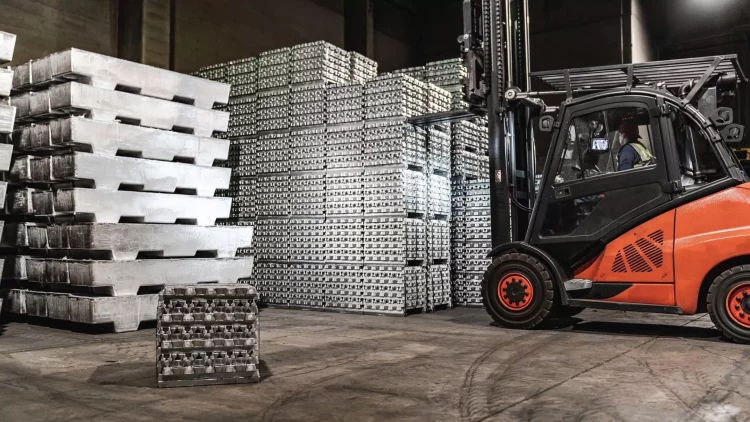
ZAMAK DIE CASTING MATERIAL
Phase 2: Alloy Selection
Zinc die casting uses a range of alloys—most commonly the ZAMAK and ZA series. Each alloy has its own mechanical properties, casting behavior, and cost impact. Choosing the right alloy is a critical decision that affects everything from mold design to how well the surface finish performs.
The four most commonly specified alloys for custom zinc die casting are:
ZAMAK 3:Often considered the industry standard, it contains about 3.8–4.3% aluminum and less than 0.03% copper. With a tensile strength of around 283 MPa and elongation of about 10%, it offers an excellent overall balance of strength, ductility, castability, and cost. Because it has very low copper content, it provides strong long-term dimensional stability and better plating adhesion—especially important for decorative chrome and PVD finishes. ZAMAK 3 is the default choice for faucet handles, escutcheons, shower trims, and general-purpose hardware.
ZAMAK 5:Similar to ZAMAK 3, but with 0.7–1.1% copper added. This increases tensile strength (about 310 MPa) and hardness (around 91 HB), while only slightly reducing ductility. ZAMAK 5 works well for parts that need higher mechanical performance, such as lock bodies, valve bodies, and components that will undergo secondary CNC machining.
ZAMAK 2:This grade has the highest copper content among standard ZAMAK alloys (2.7–3.3%). It provides tensile strength near 328 MPa and hardness around 100 HB. With its stronger wear resistance, ZAMAK 2 is commonly chosen for high-security lock systems, gears, cams, and parts exposed to repeated mechanical cycling.
ZA-8:ZA-8 has much higher aluminum content (8.2–8.8%), delivering the highest tensile strength in the ZA family (about 386 MPa). It also offers improved creep resistance and thermal stability. ZA-8 is the only ZA-series alloy that works with hot-chamber die casting, making it a good option for high-strength precision parts and components exposed to moderately elevated operating temperatures.
Your die casting partner should recommend alloy selection based on your real application needs—not just default to the lowest-cost option. The right alloy balances mechanical performance, surface finish requirements, and total cost of ownership.
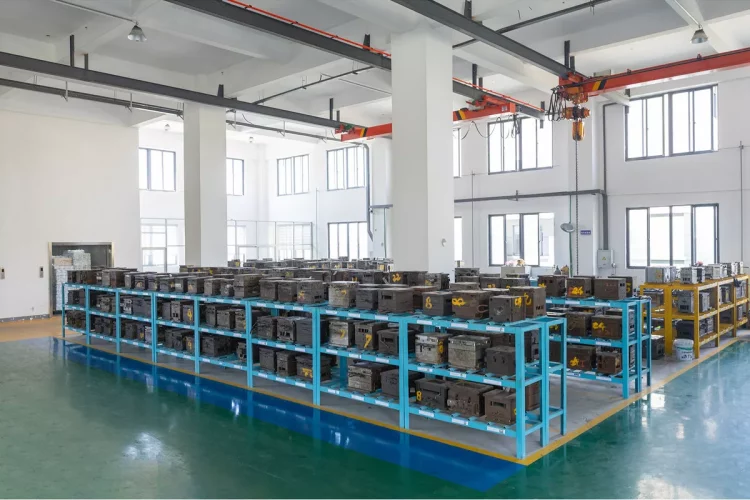
Die casting mold
Phase 3: Mold Design and Tooling Fabrication
Once the design is finalized and the alloy is selected, mold manufacturing begins. The mold, also known as a die, is a precision tool made from hardened tool steel. It’s engineered to handle thousands—or even millions—of injection cycles under high pressure and thermal stress.
Mold design covers several key elements: determining the parting line (where the two halves of the mold separate), designing the runner and gate system (the pathways that bring molten zinc into the cavity), adding cooling channels, and engineering the ejector pin layout. Advanced manufacturers use mold flow simulation tools such as MAGMAsoft or FLOW-3D to predict how the metal will flow and solidify. This helps identify potential defects before the steel is even cut.
Tooling fabrication typically includes multiple precision steps, such as CNC milling of die blocks, EDM machining for complex features, high-precision grinding for critical surfaces, and laser engraving for texture details. The quality of the tooling directly affects the dimensional accuracy, surface finish, and consistency of every casting produced.
After the tooling is built, the mold goes through trial testing. Initial shots are run to check fill performance, dimensional accuracy, and ejection behavior. Then first-off tool (FOT) samples are submitted for dimensional inspection and customer review before mass production begins. With proper design and maintenance, a zinc die casting mold can typically achieve 500,000 to 1,000,000+ production cycles, making the upfront investment highly recoverable over the product lifecycle.
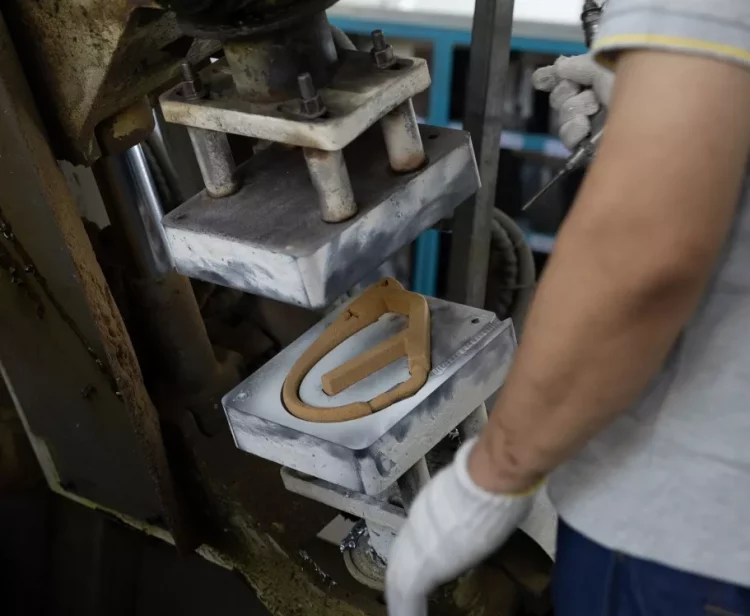
Phase 4: High-Pressure Die Casting Production
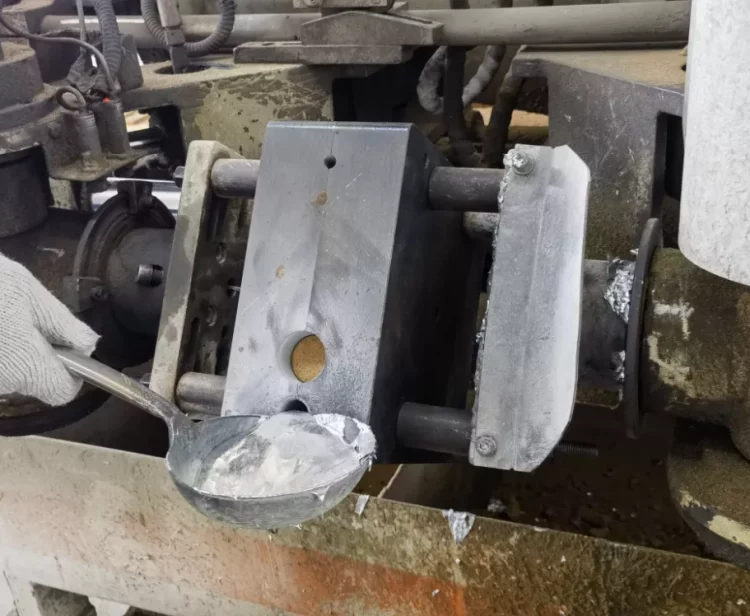
Once the mold is approved, large-scale production can start. Zinc die casting uses the hot-chamber process for conventional ZAMAK alloys, since zinc has a relatively low melting point (around 419°C) and low corrosivity.
The hot-chamber process works like this: the injection plunger sits inside a bath of molten zinc alloy. When activated, the plunger pushes metal through a gooseneck system into the die cavity at pressures of roughly 30 to 150 MPa. Typical cycle times are about 12 to 20 seconds, supporting production rates of up to 4–5 shots per minute.
During injection, molten zinc fills the cavity quickly, capturing fine detail and complex geometry. Cooling happens rapidly inside the water-cooled steel mold, so the metal solidifies within seconds. Then the die opens, and ejector pins push the finished casting out of the cavity. The cycle repeats automatically, maintaining consistent part-to-part uniformity during high-volume production.
Zinc die casting is especially suited for hot-chamber operation due to zinc’s low melting temperature and its minimal effect on tool steel. Compared with cold-chamber casting (used for aluminum and higher-melting alloys), hot-chamber zinc casting offers faster cycle times, lower energy consumption, and less material waste—leading to strong unit economics at scale.
Phase 5: Post-Processing and Secondary Operations
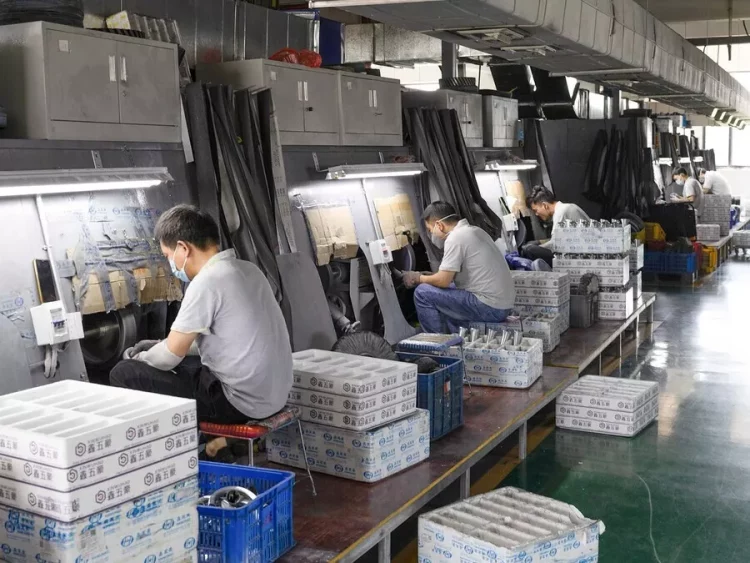
After casting, the raw parts typically require several post-processing steps before they’re ready for assembly or shipment. A vertically integrated manufacturer handles many of these steps in-house, which reduces logistics complexity and helps maintain consistent quality control.
Trimming and Deburring:This removes the runner system, overflows, and any flash (excess material). Depending on part geometry and production volume, this may be done using trim dies, vibratory tumbling, or manual finishing.
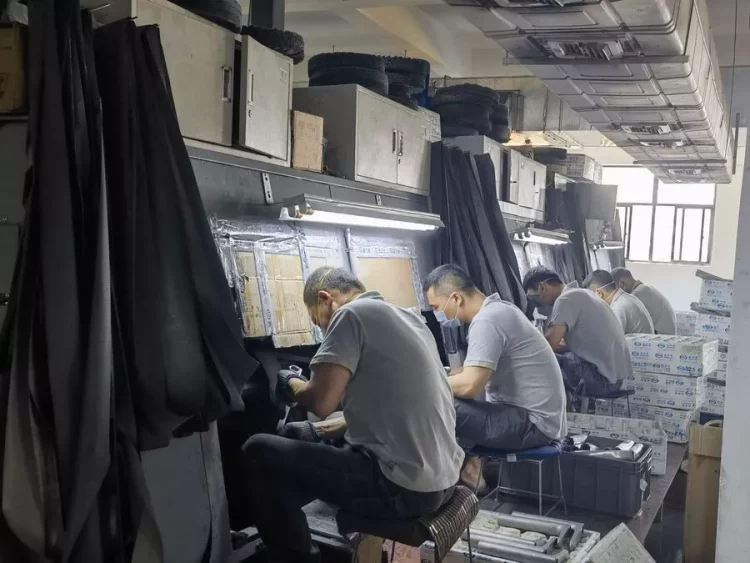
CNC Machining:When tighter tolerances than as-cast capability are required—or when features like threads, precision bores, or mating surfaces can’t be cast directly—secondary CNC machining is performed. This can include drilling, tapping, milling, or turning operations. Minimizing the amount of machining needed during design helps reduce both cost and lead time.
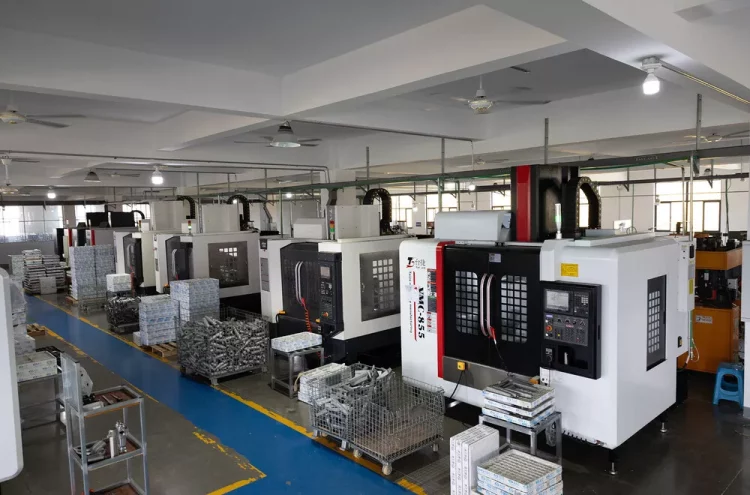
CNC machining
Surface Finishing:Zinc die castings have excellent surface quality “as-cast,” but most applications still require finishing for appearance, corrosion protection, or functional requirements. Common finishing options include:
- Electroplating (Chrome, Nickel, Brass):Adds a hard, decorative, corrosion-resistant surface. Proper pre-treatment and the right alloy choice (ZAMAK 3 with low copper is best) are essential for good plating adhesion and long-term durability.

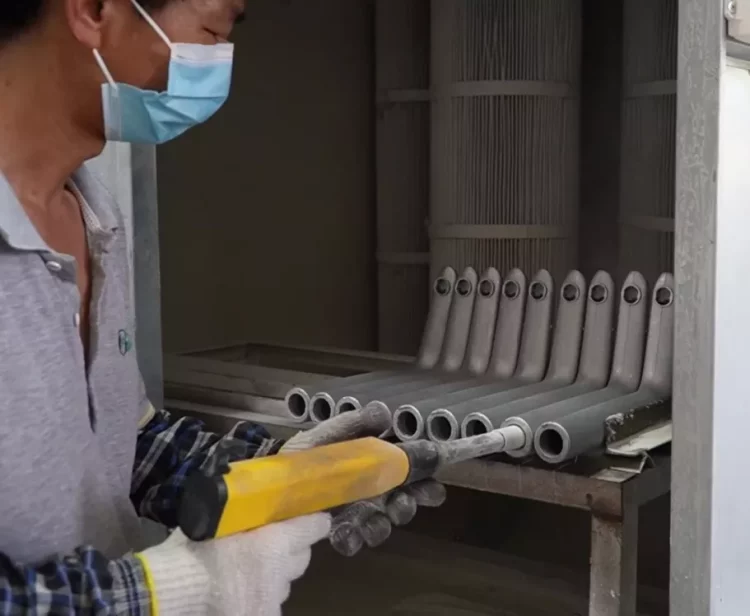
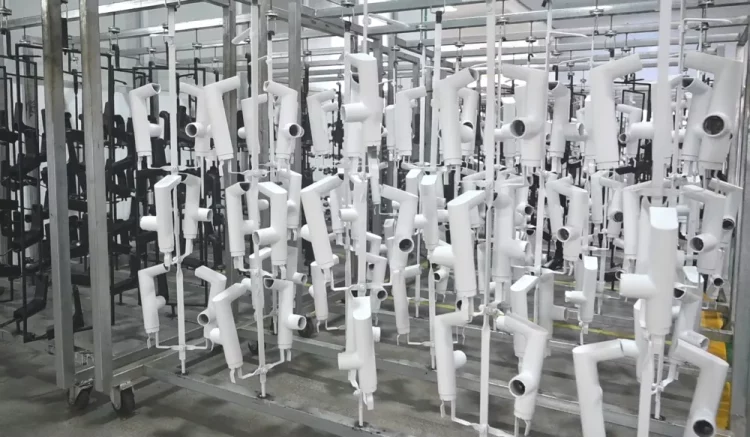
- Powder Coating:A durable coating applied electrostatically and cured with heat, offering strong corrosion resistance and a wide range of color and texture options.
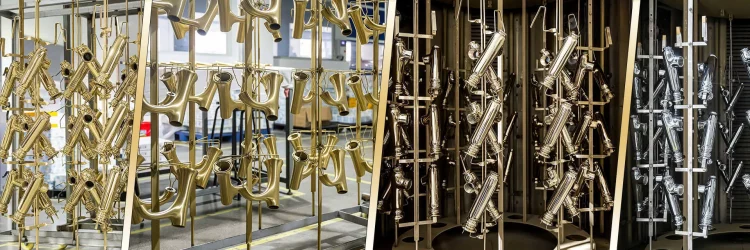
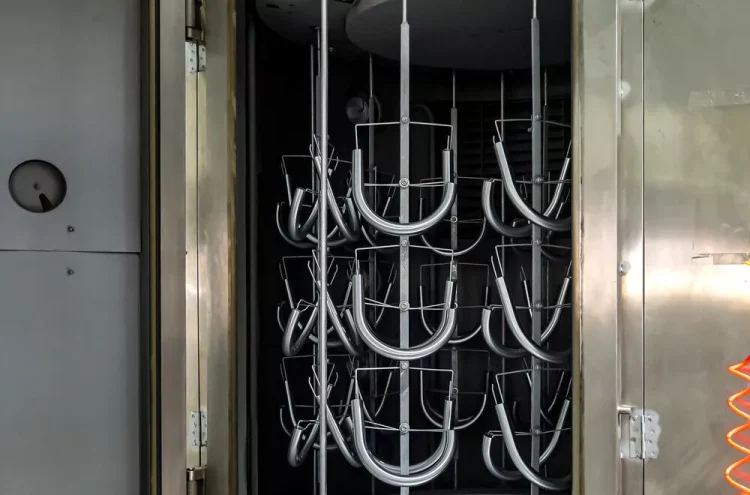
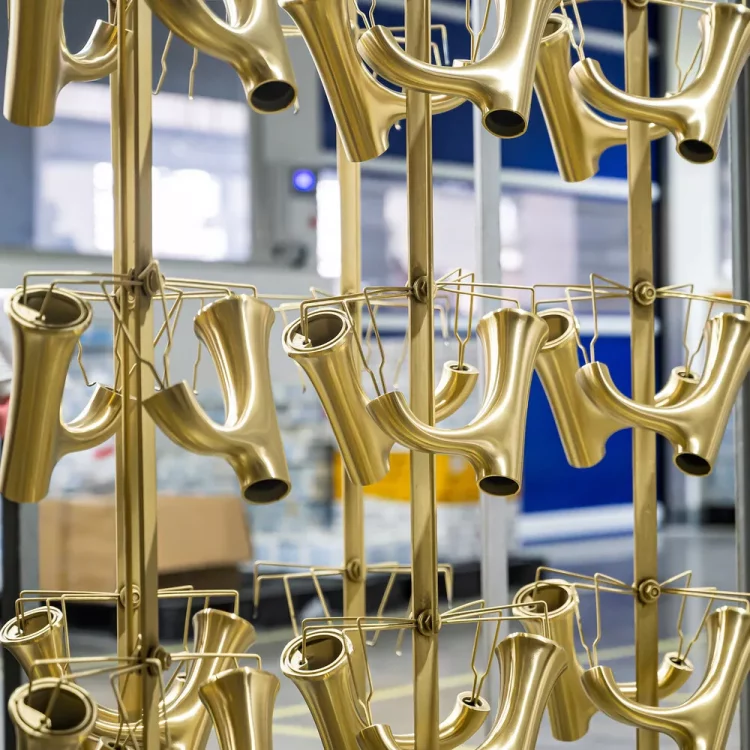
- PVD (Physical Vapor Deposition):A premium finishing process that creates thin, hard, highly durable coatings with metallic tones. It’s often used for high-end sanitary fittings and decorative hardware.
- Polishing and Brushing:Mechanical finishing methods that create smooth, reflective, or textured surfaces—often as a foundation for later plating or coating.
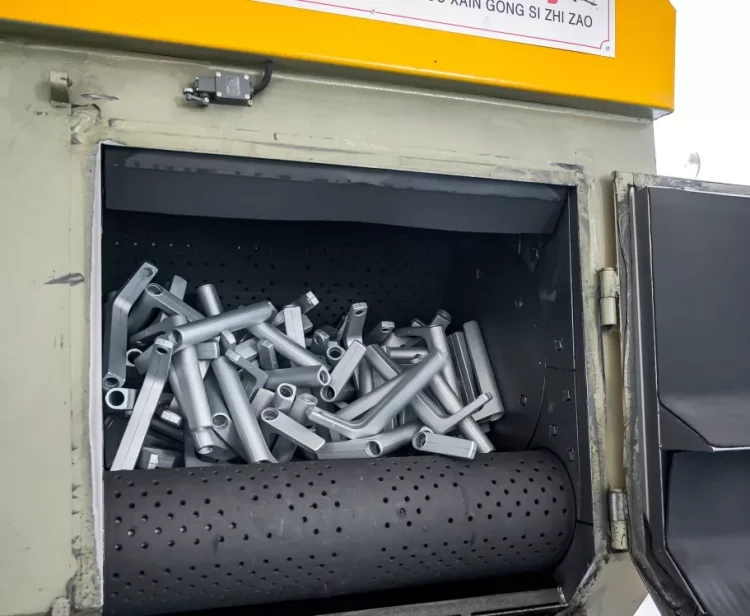
- Sand Blasting:Produces a uniform matte texture and improves coating adhesion.
The best surface finish depends on your application needs, expected environmental exposure, and aesthetic goals. Our facility includes in-house polishing, painting, electroplating, and PVD workshops, so we can keep quality consistent and avoid delays and unpredictability that sometimes come with outsourced finishing.
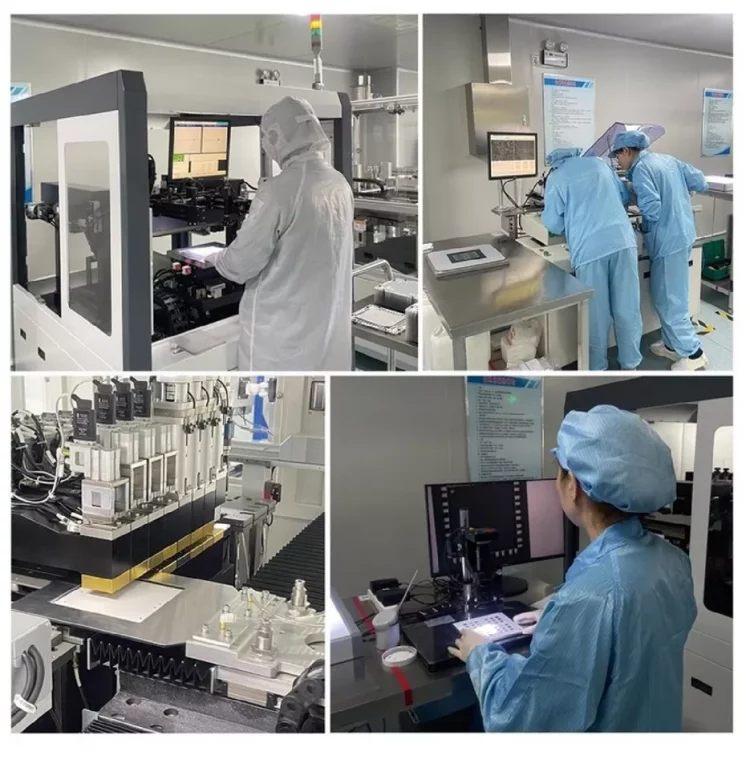
Phase 6: Quality Inspection and Testing
Quality assurance is built into the entire custom zinc die casting process—not only checked at the end. A strong quality system includes:
- Incoming Alloy Verification:Spectrometer checks confirm the alloy composition matches the specification before melting.
- In-Process Monitoring:Die temperature, injection pressure, and cycle parameters are tracked continuously to keep the process stable.
- Dimensional Inspection:CMM (Coordinate Measuring Machine) and optical comparators verify key dimensions against drawing tolerances.
- Mechanical Testing:Tensile strength and hardness testing confirm the castings meet required mechanical properties.
- Surface Durability Testing:Salt spray corrosion testing (up to 48 hours or more) verifies plating and coating performance in humid or corrosive environments.
- Full Traceability and Batch Documentation:Supports export compliance and customer quality system requirements.
Part 2: Key Design Considerations for Successful Custom Zinc Die Casting
Even if you’re not personally designing the part, understanding these basic design principles helps procurement teams assess manufacturability and communicate more effectively with engineering.
Wall Thickness and Uniformity
Wall thickness is one of the most critical design variables in zinc die casting. As a general guideline for high-pressure die casting, maximum wall thickness should not exceed around 5 mm. Using thin-wall sections (within what the process can reliably handle) helps improve density, strength, and pressure resistance.
For zinc alloys, wall thickness as low as 0.6–1.5 mm is possible due to zinc’s strong fluidity. For most applications, the ideal range is typically 0.6 mm to 2.5 mm.
Uniformity matters just as much. Sudden changes from thick to thin sections cause different cooling rates, which can lead to internal stresses, porosity, and distortion. In general, the thick-to-thin wall ratio should not exceed about 3:1, and transitions should be gradual (tapered) instead of abrupt.
Draft Angles
Draft angles help the casting release cleanly from the mold. If draft is insufficient, parts may stick, drag across cavity surfaces, or damage the mold. For zinc die casting, recommended draft angles are at least 0.5° for external surfaces and 1–3° for internal cavities and deeper features. Textured surfaces may require extra draft to ensure clean release.
Ribs and Bosses
Ribs add strength without significantly increasing wall thickness or total part weight. Properly designed ribs should have a thickness around 50–60% of the adjoining wall to reduce sink marks. Bosses—raised areas meant for fasteners or assembly—should be designed to avoid overly thick sections that could increase shrinkage porosity.
Undercuts and Complex Geometries
Undercuts are features that prevent the part from ejecting straight out of the mold. Slides and lifters can handle undercuts, but they increase tooling complexity and cost. When possible, design parts for straight-pull ejection to maximize cost efficiency.
Tolerances and Machining Allowance
In zinc die casting, tolerances commonly achieved are about ±0.025 mm for critical dimensions and about ±0.10 mm for non-critical features in the as-cast state. If tighter tolerances are required, secondary CNC machining is usually needed. Building reasonable tolerance expectations—and specifying machining only where it’s truly necessary—helps optimize quality and cost.
Part 3: What to Look for in a Custom Zinc Die Casting Partner
Choosing the right manufacturing partner is just as important as alloy and design decisions. Procurement teams should evaluate:
Vertically Integrated Capabilities
A partner that offers in-house mold design, die casting, CNC machining, polishing, and surface finishing reduces the need to manage multiple suppliers. Integrated operations shorten lead times, minimize quality variation, and create one clear point of accountability. Our Xiamen and Hanoi facilities integrate 10+ die casting machines, in-house PVD equipment, tube bending capabilities, and comprehensive finishing workshops under one roof.
Engineering Support and DFM Expertise
Often, the biggest value a die casting partner brings happens before the tooling is cut. Look for suppliers that deliver thorough DFM analysis with practical, actionable recommendations—not just a quick approval of your submitted design. Engineering expertise in mold flow simulation, alloy selection, and process optimization directly influences your product’s quality and cost.
Quality Certifications and Testing Infrastructure
ISO 9001 is the baseline for international procurement. You should also confirm that the supplier has in-house testing capabilities, including spectrometer analysis, CMM inspection, mechanical testing, and salt spray corrosion chambers. Request documented test reports and quality records for similar components.
Global Supply Chain and Dual-Site Production
Recent supply chain disruptions have shown the value of having a diversified manufacturing presence. With production facilities in both Xiamen, China and Hanoi, Vietnam, we help procurement teams manage geographic risk, improve tariff flexibility, and scale capacity—while still maintaining consistent quality standards across both locations.
Proven Track Record with Global Brands
Working with demanding global customers like TOTO, Kohler, Master, and FAB shows that a supplier can reliably meet strict quality, delivery, and documentation expectations. Ask for case studies or references relevant to your industry segment.
Conclusion: A Practical Roadmap for Custom Zinc Die Casting Projects
Custom zinc die casting is a proven, cost-effective manufacturing solution for high-precision metal components produced in medium to high volumes. When procurement teams understand the full process—from DFM analysis and alloy selection through mold fabrication, production, finishing, and quality validation—projects can be managed with more clarity and produce better results.
To recap a practical approach:
- Start with DFM:Submit your design early for manufacturability review. Early collaboration helps prevent expensive revisions later and improves production efficiency.
- Choose the Right Alloy:Match alloy selection to functional needs—ZAMAK 3 for decorative hardware and general applications, ZAMAK 5 for improved strength, ZAMAK 2 for maximum wear resistance, and ZA-8 for high-strength or elevated-temperature applications.
- Evaluate Vertical Integration:Choose a partner that manages the full manufacturing chain—from mold design through finishing—to reduce lead times, ensure consistent quality, and simplify supply chain management.
- Verify Quality Infrastructure:Confirm the supplier maintains strong in-house testing capabilities and quality certifications aligned with your industry requirements.
- Plan for Scale:With proper mold maintenance, zinc die casting tools can support 500,000 to 1,000,000+ cycles, making the process highly cost-effective for long-term production volumes.
At XIAMEN STICK INDUSTRY Co., Ltd., we bring Asian manufacturing strength together with the technical depth and quality systems that global brands expect. With ISO 9001 and CE certifications, dual production sites in Xiamen and Hanoi, and fully integrated operations covering every stage of custom zinc die casting, we deliver components that meet the demanding standards of industry leaders.
Ready to begin your custom zinc die casting project? Contact our engineering team for a complimentary DFM review. We will evaluate your design, recommend the optimal alloy and process approach, and provide a detailed production roadmap tailored to your specifications.
Visit zamakdiecasting.com or contact us directly to discuss how our custom zinc die casting capabilities can support your next product innovation.